
Introduction to AI

What is Artificial Intelligence?
Understanding What Artificial Intelligence Really Means
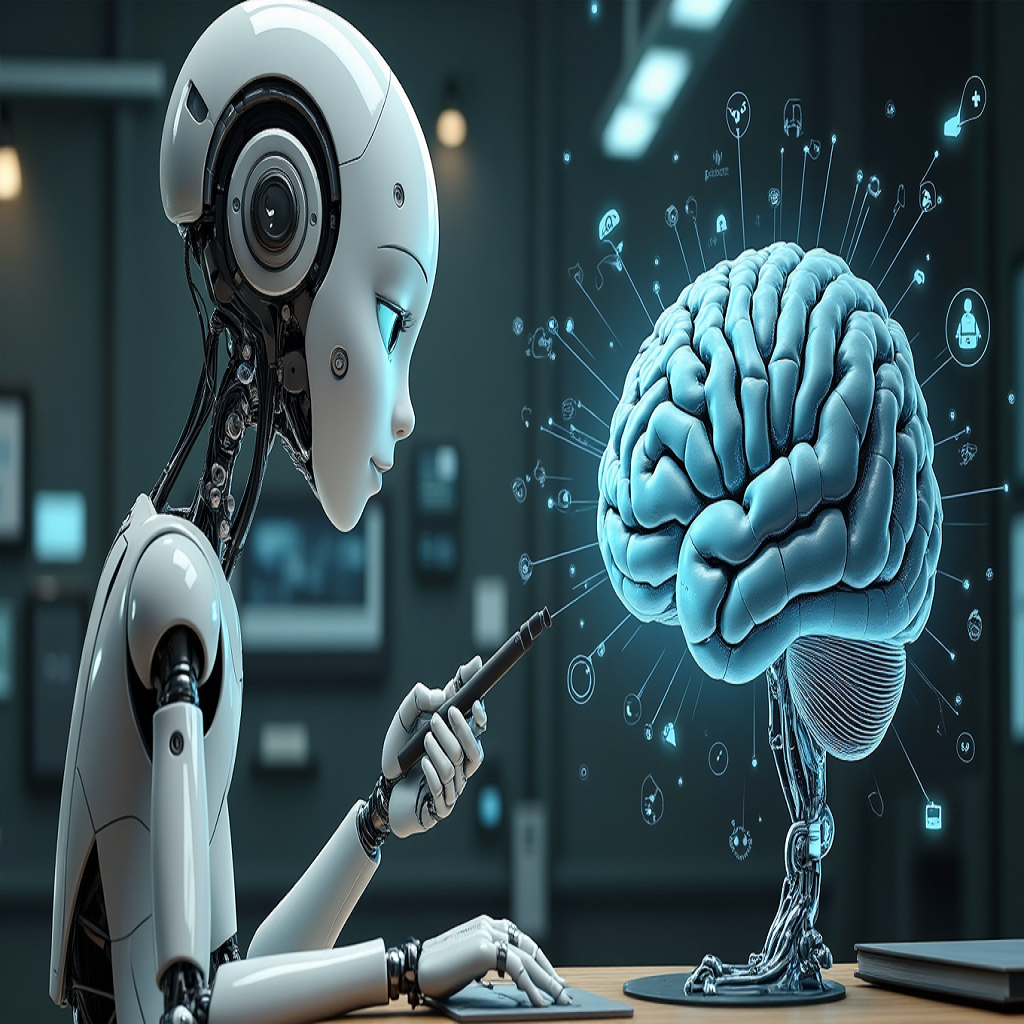
Artificial Intelligence, is a branch of computer science focused on building systems that can perform tasks that normally require human intelligence. This includes learning, reasoning, perception, problem-solving, and language understanding. For small business owners and entrepreneurs, learning the basics of AI is important because these tools can improve decision-making and boost operational efficiency. You can explore more on AI fundamentals through trusted resources like the MIT Computer Science and Artificial Intelligence Laboratory (https://www.csail.mit.edu).
How AI Simulates Human Thinking
At its core, AI combines advanced algorithms with large datasets to mimic human-like intelligence. It can analyze patterns, predict outcomes, and provide insights far faster than a human could. Students and side hustlers can use AI tools to automate repetitive tasks, freeing up time for strategic and creative work. Understanding these fundamentals helps them stay competitive in a growing digital economy. IBM’s Introduction to AI provides a helpful breakdown of how these systems function (https://www.ibm.com/artificial-intelligence).
Learning AI Terms Without the Confusion
One of the challenges of AI is its technical vocabulary. Terms like machine learning, neural networks, and natural language processing come up often, especially in discussions about automation and predictive analytics. Breaking these concepts down into simple explanations helps everyday users understand how these technologies actually work. With this clarity, small businesses and students can make smart decisions when adopting AI tools. A clear glossary is available at Google AI’s education center (https://ai.google/education).
How AI Shapes Daily Life and Opportunities
AI has expanded far beyond tech companies and now plays a role in everyday activities. Virtual assistants help manage tasks, recommendation engines suggest products, and AI-powered apps simplify workflows. For students, low-salary workers, and freelancers, learning how AI works can lead to better job prospects and new income opportunities. As more industries adopt automation, having skills in AI tools becomes a strong advantage in the job market.
Ethical Responsibility in AI Adoption
As AI becomes more common in society, conversations about ethics and responsibility grow more important. Issues like fairness, data privacy, and responsible development must be addressed. Understanding these topics helps users apply AI in ways that build trust and encourage innovation. The OECD AI Principles provide guidance on responsible AI use (https://oecd.ai).
Importance of AI in Today’s World

Why AI Matters for Modern Businesses
Artificial Intelligence has become a central part of modern society. It reshapes industries, improves efficiency, and supports data-driven decision-making. Small businesses and entrepreneurs benefit most by using AI to automate tasks, improve customer service, and optimize business operations. These improvements support better productivity and stronger competitiveness, especially in crowded markets.
How AI Helps Students and Job Seekers
In today’s job market, having basic AI knowledge is a major advantage. As more companies integrate AI into daily operations, students and recent graduates who understand these technologies gain access to more opportunities, including data analysis, automation support, and software development. AI tools can also enhance learning by offering personalized study methods and streamlined research tools. Microsoft Learn offers accessible AI courses for beginners (https://learn.microsoft.com/ai).
Supporting Side Hustlers and Low-Income Earners
For freelancers, side hustlers, and low-income individuals, AI provides accessible ways to earn more or start small businesses without major investments. Many AI-driven tools support content creation, e-commerce, social media management, and customer engagement. These solutions help people reach bigger audiences and manage tasks more efficiently. Because many tools are free or inexpensive, AI lowers the barrier to entrepreneurship.
Ethical Considerations in AI Use
The importance of AI also includes its ethical dimensions. As these tools become more powerful, users must understand fairness, transparency, and responsible deployment. This helps prevent misuse and supports a society that values equity while benefiting from technology. Learning AI ethics prepares individuals to navigate new challenges in both personal and professional settings. The Stanford Institute for Human-Centered Artificial Intelligence offers valuable insights on these topics (https://hai.stanford.edu).
AI’s Growing Role in Shaping the Future
AI is now a driving force behind innovation across nearly every field. For students, small business owners, and side hustlers, embracing AI opens new possibilities, improves efficiency, and supports long-term success. AI isn’t just a trend—it represents a major shift in how the world works, learns, and grows. Understanding this technology is essential for anyone who wants to stay competitive and participate in the future of work.
Overview of AI Applications

AI’s Rising Accessibility for Everyone
Artificial Intelligence is no longer limited to large corporations or tech-focused organizations. Today, AI tools are widely available and easy to use, making them valuable for small businesses, students, freelancers, and everyday users. This greater accessibility enables anyone to improve productivity and create practical solutions with AI tools designed for general users.
AI Tools for Small Business Growth
For small business owners, AI can streamline operations and reduce time spent on repetitive tasks. Automated scheduling, customer support tools, and smart inventory systems help entrepreneurs stay focused on strategic goals. AI-powered analytics also reveal customer trends that help owners make informed decisions. Tools like HubSpot AI and Shopify’s AI commerce features are popular options for small businesses.
AI for Better Learning and Teaching
AI is also transforming education. Smart learning platforms use adaptive technology to personalize lessons based on a student’s pace and style. This improves comprehension and makes learning more engaging. AI can also support research, writing, and project management, helping students stay organized and improve their academic performance. Tools like Khan Academy’s AI tutoring system demonstrate how AI can support learning.
How AI Helps Freelancers and Side Hustlers
People running side hustles, freelance services, or small online ventures can use AI to maximize efficiency. AI supports tasks such as generating content, managing social media, automating email, tracking finances, and improving customer communication. These tools save time and help side hustlers increase income with less effort. Platforms such as Canva AI, Hootsuite AI, and Notion AI offer practical solutions for daily tasks.
Encouraging Ethical and Responsible AI Use
Since AI tools influence many aspects of work and life, understanding ethics is essential. Users should be aware of issues like data privacy, algorithmic transparency, and the responsible use of personal information. Encouraging ethical practices ensures that AI technology benefits communities and reduces potential harm. The UNESCO AI Ethics Guidelines offer clear direction on responsible AI adoption (https://unesdoc.unesco.org).
AI Terminology for Non-Technical Users

Key Terms Defined
Why Understanding AI Terms Matters
In the world of artificial intelligence, understanding key terms is essential for anyone looking to leverage this technology effectively. For small business owners, students, and entrepreneurs, familiarizing themselves with common terminology can demystify AI and make it more accessible. Terms like machine learning, AI automation, deep learning, and natural language processing often appear in discussions about digital tools, but their meanings may not always be clear. High-quality resources such as the Google AI Glossary (https://ai.google/education/glossary) and IBM’s AI Dictionary (https://www.ibm.com/cloud/learn/ai-glossary) are helpful starting points.
What Machine Learning Really Means
Machine learning refers to a subset of AI that involves training algorithms to recognize patterns and make decisions based on data. This process allows systems to improve over time without explicit programming. For small businesses, machine learning can support personalized recommendations, smarter automation, and better customer insights. More information can be found at Microsoft Learn Machine Learning Basics (https://learn.microsoft.com/en-us/ai/ai-fundamentals).
The Role of Natural Language Processing
Another essential term is natural language processing (NLP), which enables machines to understand and respond to human language. This technology powers chatbots, writing tools, and virtual assistants that streamline customer interactions. Entrepreneurs and side hustlers can use NLP tools to enhance communication, automate support, and connect more effectively with audiences. Deeper learning materials are available through the Stanford NLP Group (https://nlp.stanford.edu/).
Data Literacy and AI Ethics Explained
Additional concepts such as data literacy and AI ethics are increasingly important. Data literacy involves the ability to read, interpret, and communicate data effectively. AI ethics focuses on using artificial intelligence responsibly to ensure fairness and transparency. The OECD AI Principles (https://oecd.ai/en/ai-principles) offer guidance for understanding these responsibilities.
Why AI Vocabulary Helps Everyday Users
Defining key AI terms helps individuals understand the impact of these technologies in daily life. Whether for business, education, or personal use, a clear grasp of AI terminology encourages smarter decision-making and responsible adoption. Staying informed becomes more important as AI continues to evolve across industries.
Common Acronyms and Their Meanings

The Meaning of AI
In artificial intelligence, acronyms help simplify complex ideas. For entrepreneurs and small business owners, understanding these terms makes it easier to navigate modern technology. AI stands for Artificial Intelligence, referring to machines that mimic human thinking and decision-making. For deeper insights, visit Harvard Business Review’s AI section (https://hbr.org/technology/artificial-intelligence).
What ML Stands For
ML means Machine Learning. This branch of AI focuses on systems that learn from data and make predictions. Students, freelancers, and side hustlers can benefit from learning ML skills like predictive modeling and automation. You can explore ML basics through Coursera’s Machine Learning Resources (https://www.coursera.org/browse/data-science/machine-learning).
NLP and Its Importance
NLP, or Natural Language Processing, helps computers understand and generate human language. This is the foundation of chatbots, automated emails, and conversational AI tools. Entrepreneurs can improve customer service and user engagement with NLP-powered applications. A comprehensive guide is available at Hugging Face NLP Course (https://huggingface.co/learn/nlp-course).
What APIs Do
API stands for Application Programming Interface. APIs help different software systems communicate, making it easier to integrate AI tools without deep technical skills. Tutorials are available through RapidAPI (https://rapidapi.com/learn).
Understanding ROI in AI
ROI stands for Return on Investment. It helps business owners measure the value they get from AI tools compared to the cost of using them. Investopedia (https://www.investopedia.com/terms/r/returnoninvestment.asp) offers a helpful breakdown of how ROI works.
How to Navigate AI Language
The Basics of AI Language
Navigating AI terminology can feel overwhelming for non-technical users. Understanding key terms like algorithms, machine learning, automation, and predictive analytics makes AI more approachable. The NVIDIA AI Glossary (https://www.nvidia.com/en-us/glossary/) provides simple definitions for many foundational concepts.
How AI Language Applies to Daily Life
AI can process and generate human-like language, making it useful for customer service, content creation, research, and productivity tools. Students and professionals benefit from knowing how to craft effective prompts and interpret AI-generated responses.
Ethical Considerations in AI Use
Using AI responsibly requires awareness of data privacy, transparency, and potential algorithmic bias. Small businesses often handle sensitive customer information, so understanding these issues is important. The UNESCO AI Ethics Framework (https://www.unesco.org/en/artificial-intelligence/ethics) offers helpful guidance.
Focusing on Practical Use Instead of Technical Details
AI terminology becomes easier when you connect it to real-life applications. Instead of focusing on technical definitions, think about how AI can automate tasks, organize information, or support decision-making in your personal or professional life.
Thoughts on Understanding AI Language
Breaking AI language into manageable pieces helps anyone navigate artificial intelligence with confidence. Learning essential terms, considering ethical implications, and understanding practical applications make AI more accessible and useful for both personal and professional growth.
AI Fundamentals for Beginners

Types of AI: Narrow vs. General
Categories of AI
Artificial Intelligence can be categorized into narrow AI and general AI. Narrow AI, sometimes called weak AI, focuses on specific tasks and appears in everyday tools like Siri and Alexa. These voice assistants handle actions such as reminders or weather updates. For small business owners and entrepreneurs, narrow AI is especially useful because it automates repetitive work, boosts efficiency, and supports simple business workflows. Helpful background reading is available on the IBM AI overview: https://www.ibm.com/topics/artificial-intelligence.
Understanding General AI
General AI, or strong AI, refers to intelligence that can understand and learn across a wide range of tasks the same way humans do. This level of intelligence is still theoretical. Students and side hustlers often find general AI fascinating, and while it feels distant, it has the potential to reshape industries in the future. It could change how companies operate, make decisions, and manage complex processes. You can explore more about general AI concepts at Stanford University’s AI Index: https://aiindex.stanford.edu.
Why Narrow AI Matters Today
Narrow AI already plays a major role in many sectors. It improves productivity, supports data-driven decisions, and helps companies understand customer behavior through analytics. AI-powered tools can reveal customer trends and preferences, which is valuable for low-salary individuals, new entrepreneurs, and side hustlers who need accessible technology to stay competitive. A useful resource is Google AI’s applied machine learning guide: https://ai.google/education.
Clearing Up AI Misconceptions
Understanding the difference between narrow and general AI helps correct common myths. Many people think AI will replace all jobs or operate independently. In reality, narrow AI is built to assist, not dominate. It enhances human abilities instead of competing with them. Anyone trying to earn through AI benefits from seeing AI as a collaborative tool rather than a threat. The OECD AI policy resource provides helpful insights: https://oecd.ai.
The Future of AI in Daily Life
As AI evolves, its influence in business, education, and daily routines will continue to grow. Entrepreneurs and students who stay informed will be able to use these tools more effectively. Knowing how narrow and general AI differ helps individuals make confident choices when adopting new technologies, supporting long-term growth in this rapidly changing field.
Machine Learning vs. Traditional Programming

Traditional programming
Traditional programming is built on predefined rules. Developers write step-by-step instructions for every scenario, which can be time-consuming and rigid. This becomes stressful for small businesses that lack technical teams.
How Machine Learning Works
Machine learning works differently. Instead of writing exact rules, developers train computers on datasets. The system learns patterns and makes predictions. For students and side hustlers, this approach feels more flexible because it adapts on its own and improves over time. A simple explanation is available at Microsoft Learn: Machine Learning Basics: https://learn.microsoft.com/azure/machine-learning.
Impact on Small Businesses
Traditional programming often requires more money, planning, and customization. Machine learning tools, on the other hand, automate tasks and reveal helpful insights through data analysis. This helps small business owners compete more effectively and work smarter.
Choosing the Right Technology
Understanding how these two approaches differ helps low-salary individuals, entrepreneurs, and beginners make better decisions. Machine learning tools are becoming easier to access and blend well with daily business activities. This opens the door to better productivity and steady growth.
The Role of ML in Today’s AI Landscape
As AI moves forward, discussions around machine learning and traditional programming will continue. But for people learning AI for the first time, the main takeaway is that machine learning simplifies complex tasks and encourages innovation. Embracing it can help anyone stay competitive in a crowded digital world.
Neural Networks and Deep Learning Basics

processes information
Neural networks simulate how the human brain processes information. They use connected neurons that work together to analyze data and make predictions. This structure helps both companies and students handle large datasets with accuracy. A good introduction is available on the DeepLearning.AI site: https://www.deeplearning.ai.
How Deep Learning Uses Layers
Deep learning builds on neural networks by stacking multiple layers that process data in stages. This layered design helps models learn advanced patterns. Small business owners and entrepreneurs can use these tools to automate workflows, improve customer interactions, and access data insights that would be difficult to uncover manually.
Key Terms to Know
The vocabulary in deep learning can feel overwhelming at first. Important terms like training, layers, and activation functions explain how the system works. Once beginners understand these basics, they can communicate better and participate in AI projects with confidence.
Everyday Uses of Neural Networks
Neural networks appear in tools people use daily. They power personal assistants, online recommendations from companies like Netflix and Amazon, and predictive systems used in marketing and finance. Side hustlers can use AI-powered tools to streamline tasks, make smarter decisions, and stand out from the competition.
Ethics and Responsible AI Use
Ethical concerns around AI and neural networks are becoming more prominent. Issues like privacy, bias, and transparency matter to anyone using or building AI systems. Low-salary individuals and students who learn about these topics can advocate for fair use of technology and help shape responsible AI development. The European Commission’s AI ethics guidelines offer a solid overview: https://digital-strategy.ec.europa.eu.
Everyday Applications of AI
AI in Personal Assistants
Personal Assistants Work
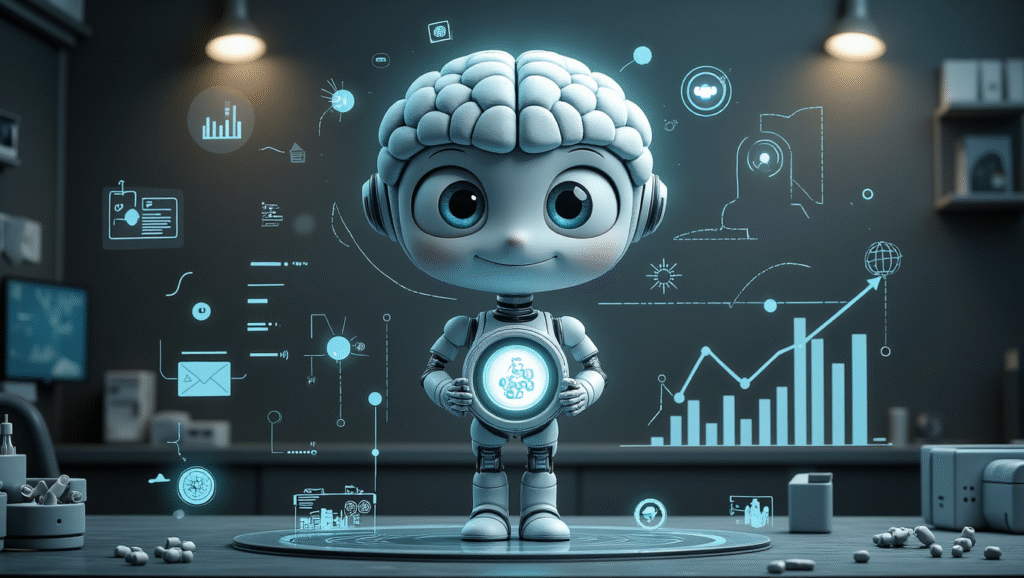
Artificial Intelligence has transformed how personal assistants work, making them more efficient and easier to use. For small business owners and entrepreneurs, AI-driven assistants can manage schedules, handle customer inquiries, and keep daily operations organized. Tools like Google Assistant and Microsoft Copilot offer smart task automation that adapts to your workflow. This allows business owners to focus on growth instead of routine admin work. Learn more about how AI assistants function at https://www.ibm.com/topics/artificial-intelligence.
AI Tools for Students and Low-Income Users
Students and low-salary individuals can use AI personal assistants to become more productive. These tools can organize study schedules, send deadline reminders, and even suggest personalized learning materials. Popular academic AI tools like Quizlet and Khan Academy’s AI Tutor help students stay on track and reduce stress. This support makes learning more manageable and more effective for users who need affordable study solutions.
AI Support for Side Hustlers and Freelancers
For side hustlers and freelancers, AI personal assistants act as reliable partners. They can automate repetitive tasks such as invoicing, appointment scheduling, and follow-ups. With tools like Zapier and Notion AI, independent workers free up more time for creative projects and client work. This improves productivity, work-life balance, and long-term success in their ventures.
Why Understanding AI Terminology Matters
Learning basic AI terminology is important for anyone who wants to get the most from these tools. Knowing terms like machine learning, neural networks, and natural language processing makes AI less confusing and helps users choose the right tools. Resources such as https://www.techtarget.com/searchenterpriseai/definition/artificial-intelligence-AI offer simple explanations that can guide smarter decision-making.
Ethical Use of AI Personal Assistants
Ethical responsibility should always be part of adopting AI-driven personal assistants. Users must be aware of data privacy, consent, and responsible usage. Understanding how your data is collected and used protects your personal information. Guidelines from https://www.oecd.org/going-digital/ai/principles/ can help small business owners, students, and entrepreneurs make informed, responsible choices.
AI in Social Media

Engaging Experiences
Artificial Intelligence has reshaped social media by creating personal and engaging experiences. For entrepreneurs and small businesses, knowing how AI works behind the scenes can improve digital marketing strategies. AI-driven algorithms track behavior, preferences, and activity patterns to help brands reach the right audiences. This targeted marketing boosts engagement and increases the ROI of social media campaigns. Facebook explains this process in detail at https://transparency.fb.com/features/feeds/.
AI-Powered Content Recommendations
One major use of AI in social media is content recommendations. Platforms like Instagram, YouTube, and TikTok use machine learning to predict what users want to see next. They study past clicks, views, and interactions to shape personalized feeds. For students and side hustlers trying to grow social presence, understanding algorithms helps them create content that performs better and builds an audience.
Social Media Automation Tools
AI-powered social media tools can also streamline account management. Platforms like Buffer, Hootsuite, and Sprout Social use AI to schedule posts, track analytics, and even manage customer messages. This level of automation is especially useful for small business owners and busy individuals who can’t hire a full-time social media specialist.
AI for Brand Reputation Monitoring
AI plays an important role in reputation management. Sentiment analysis tools review comments, posts, and reactions to understand how people feel about a brand. Services like Brandwatch and Talkwalker help entrepreneurs see trends, track conversations, and respond quickly. These insights allow businesses to make informed decisions and improve products or services.
The Importance of AI in Digital Growth
AI in social media offers strong opportunities for growth. It helps businesses and individuals reach more people, understand audience behavior, and build meaningful engagement. As AI continues to evolve, staying informed is essential for anyone who wants to succeed in digital marketing.
AI in E-commerce

Reshaping e-commerce
Artificial Intelligence is rapidly reshaping e-commerce, making it easier for small businesses and entrepreneurs to compete. Using AI tools can improve customer experiences, streamline operations, and increase sales. For newcomers to AI, understanding its everyday e-commerce applications creates a real advantage.
Personalized Shopping Experiences
One major benefit of AI in e-commerce is personalization. AI systems analyze browsing history and purchase behavior to recommend products that match customer preferences. This is used by retailers like Amazon, explained at https://www.aboutamazon.com/news/innovation-at-amazon/how-amazon-personalizes-recommendations, and now accessible to small online stores through AI plugins and apps. Personalized recommendations help increase conversions and build customer loyalty.
Smarter Inventory Management
AI plays a major role in inventory optimization. By predicting trends and demand, AI tools help businesses keep the right items in stock. This reduces costs and prevents product shortages. Solutions like Shopify’s inventory forecasting and Zoho Inventory help small businesses maintain efficiency and serve customers better.
Targeted AI Marketing
AI enhances marketing through advanced audience targeting. By analyzing behavior and engagement patterns, AI tools help create ads that resonate with specific customer groups. Google Ads’ AI recommendations, explained at https://support.google.com/google-ads/answer/10217606, show how effective targeted advertising can be. Entrepreneurs and side hustlers benefit by getting more results from smaller marketing budgets.
Ethical and Responsible Use of AI
As AI collects consumer data, ethical guidelines must be followed. Business owners should prioritize transparency, data protection, and secure storage. Responsible AI practices build trust and strengthen long-term customer relationships. The European Commission’s AI ethics guidelines at https://digital-strategy.ec.europa.eu/en/policies/european-approach-artificial-intelligence offer clear principles for safe and ethical AI use.
Understanding AI Ethics and Responsibility

Ethical Considerations in AI Development
Rapid Growth
Artificial Intelligence is reshaping how small businesses, students, and entrepreneurs work, learn, and innovate. With this rapid growth, ethical issues in AI development have become impossible to ignore. Anyone using AI tools should understand how these technologies affect society. That awareness helps people use AI responsibly while reducing the risks that can come with automation, machine learning systems, and large-scale data use.
For a deeper introduction to AI ethics, the resources at the Harvard Berkman Klein Center offer helpful insights: https://cyber.harvard.edu
Bias as a Core Ethical Concern
One of the biggest concerns in AI development is algorithmic bias. AI models often learn from data that contains human biases. When these patterns are replicated, the results can be unfair to specific groups. For small business owners and side hustlers, this means taking a close look at the data used to train their AI tools. Diverse, representative data helps reduce bias and supports fairer decision-making in areas like hiring, advertising, and customer analytics.
For a clear explanation of AI bias, see IBM’s guide on fairness and bias in AI: https://www.ibm.com/watson/artificial-intelligence/bias
The Importance of Transparency
Transparency is another major ethical challenge. Many AI systems operate like black boxes, making it hard to understand how they reach certain decisions. For students, professionals, and individuals on a budget, this lack of clarity can create mistrust and confusion.
Explaining how AI models work, what data they use, and why they produce certain outcomes helps build trust. This transparency empowers users and supports responsible adoption of machine learning technologies.
A reliable resource on transparent AI practices is Google’s Responsible AI guidelines: https://ai.google/responsibility
Data Privacy in AI Systems
Data privacy is a growing concern as AI systems often depend on large amounts of personal information. Anyone developing or using AI tools should take careful steps to protect private data. Ethical data handling is more than a legal requirement; it strengthens user trust and helps small businesses maintain a positive reputation.
For helpful information about data protection standards, visit the International Association of Privacy Professionals (IAPP): https://iapp.org
Why Accountability Matters
Accountability ensures that developers, businesses, and organizations are responsible for the outcomes of their AI systems. Clear rules and detailed frameworks help address potential harm caused by automated decisions. Understanding these responsibilities is essential for anyone interacting with AI, whether in business, education, or personal projects.
A widely referenced framework is the OECD Principles on AI, available here: https://oecd.ai
Bias in AI Systems

Why Bias Impacts Everyone
Bias in AI affects small business owners, students, entrepreneurs, and anyone using AI-powered tools. Because AI systems learn from real-world data, any existing inequalities can be amplified. This can affect hiring, lending decisions, school admissions, and even areas such as predictive policing or credit scoring.
Risks for Small Business Owners and Side Hustlers
Using AI tools without understanding potential biases can be risky. A biased hiring tool, for example, may unintentionally favor one group and unfairly filter out qualified applicants from another. Beyond harming fairness, this can damage a company’s reputation and reduce customer trust.
How Bias Limits Innovation
Students and entrepreneurs must also recognize that bias can hold back creativity and innovation. If AI models lack diverse perspectives, they may overlook new ideas or solutions. Using a wider range of data and viewpoints helps create more accurate, effective, and inclusive systems.
Ethics and Fairness in AI Use
Ethics are central to any discussion about AI bias. Promoting fairness, transparency, and accountability helps limit harmful outcomes. With responsible AI development, businesses and individuals can foster better user experiences and positive social impact.
A strong resource for ethical AI practices is Stanford’s Human-Centered Artificial Intelligence (HAI): https://hai.stanford.edu
The Need for Collective Awareness
Addressing AI bias isn’t optional. As AI use spreads across education, business, and everyday life, understanding how bias works is essential. By working together to recognize and reduce bias, we can ensure AI empowers people rather than marginalizing them.
The Role of Transparency

What Transparency Means in AI
Transparency is essential for building trust in AI technology. Users should understand how algorithms make decisions, what types of data they rely on, and where limitations exist. This clarity helps small business owners, students, and entrepreneurs understand how to use AI tools effectively without feeling overwhelmed or confused by technical complexity.
Supporting Better Decision-Making
When AI systems clearly communicate their functions, people can make more informed choices about how to integrate them into daily tasks. This understanding helps business owners improve productivity while staying aware of ethical concerns such as bias, fairness, and data safety.
How Transparency Builds Accountability
Clear, transparent AI systems make it easier to track performance and correct issues quickly. In education, transparency helps students study AI ethics and learn how responsible systems should operate. Understanding the reasoning behind AI decisions gives users a stronger sense of control.
Transparency Helps Reduce Misconceptions
Many people worry that AI will replace jobs or that it operates in an unpredictable way. Transparency helps reduce these fears by showing how AI supports human work instead of replacing it. This is particularly helpful for students and low-income individuals who may feel intimidated by AI technology.
Empowering Users Through Openness
Promoting transparency isn’t just about communication. It’s about giving people confidence and ensuring they feel included in the AI-driven economy. As AI continues to expand, transparency will be one of the most important factors in building trust and encouraging responsible adoption.
For more reading on transparent AI, explore Microsoft’s Responsible AI Standard: https://www.microsoft.com/ai/responsible-ai
AI in Business: Key Concepts

AI for Small Business Growth
Enhance Growth
Artificial Intelligence has become an essential tool for small businesses looking to enhance their growth and efficiency. By leveraging AI technologies, entrepreneurs can automate routine tasks, analyze customer data, and gain insights that were once out of reach. This not only saves time but also allows business owners to focus on strategic decision-making, ultimately driving growth in a competitive marketplace. For a deeper look at AI fundamentals, the IBM AI Learning Hub is a useful resource: https://www.ibm.com/artificial-intelligence
Data Analysis for Smarter Decisions
One of the most significant advantages of AI for small businesses is its ability to analyze large datasets quickly. Tools like Google Analytics (https://analytics.google.com) and Microsoft Power BI (https://powerbi.microsoft.com) can help identify market trends, customer preferences, and potential areas for expansion. By understanding these insights, small business owners can tailor their products and services to better meet customer needs, leading to increased sales and stronger customer satisfaction.
Enhancing Customer Engagement With AI
AI can also support customer engagement through personalized experiences. Chatbots and virtual assistants can provide instant support, answering customer inquiries at any hour. This level of responsiveness not only improves customer satisfaction but also frees up employees to focus on more complex tasks. Platforms such as Intercom (https://www.intercom.com) make it easier for businesses to deliver smarter, automated customer support.
AI-Powered Marketing Advantages
The integration of AI in marketing strategies can yield strong returns for small businesses. AI-driven tools enable targeted advertising by analyzing consumer behavior and preferences, ensuring marketing efforts reach the right audience. Small businesses can maximize marketing budgets and achieve higher conversion rates without the need for extensive resources. Tools like Google Ads Smart Campaigns (https://ads.google.com) support targeted, data-driven advertising.
Building a Culture of Innovation With AI
Embracing AI fosters a culture of innovation within small businesses. By exploring new AI solutions, entrepreneurs and side hustlers can stay ahead of industry trends and adapt to changing market conditions. This proactive approach enhances business resilience and positions small enterprises for long-term success in an increasingly digital world.
Automation and Efficiency

Streamline Tasks
Automation is transforming the landscape of small businesses, students, and entrepreneurs. By leveraging artificial intelligence, individuals can streamline tasks, reduce repetitive work, and focus on more strategic activities. This shift saves time, minimizes human error, and supports a more efficient workflow. The Harvard Business Review offers solid insights on automation trends: https://hbr.org
Automation Benefits for Students and Side Hustlers
For students and side hustlers, automation tools can boost productivity. Automating tasks such as scheduling, data entry, and customer follow-ups helps individuals allocate more time to learning and skill-building. AI-driven platforms like Notion AI (https://www.notion.so/product/ai) and Todoist (https://todoist.com) can organize study materials, manage deadlines, and provide personalized recommendations.
How Entrepreneurs Gain From Automation
Entrepreneurs with limited budgets can also benefit from AI automation. With AI solutions, small business owners can optimize marketing efforts, manage inventory, and analyze customer data without extensive manpower. This cuts costs and allows businesses to adapt quickly to market shifts. For many entrepreneurs, automation becomes a competitive advantage.
Ethical Considerations in Automation
Understanding the ethics of automation is crucial. As AI handles more tasks, it raises questions about job displacement and employer responsibility. Small businesses should adopt transparent and responsible practices, protecting employee interests while improving efficiency. Resources such as the OECD AI Principles (https://oecd.ai) help guide ethical decision-making.
The Future of Automation
In summary, the integration of automation through AI is not just a trend; it represents a major shift in how we approach productivity. Whether you are a student, entrepreneur, or someone growing a side hustle, using these technologies can transform your daily operations. The potential for innovation and growth continues to expand as AI tools evolve.
Customer Insights and Personalization

Understanding Customer Insights
In today’s business landscape, understanding customer insights is vital. Small businesses, students, entrepreneurs, and side hustlers can use artificial intelligence to analyze customer data effectively. By gaining insight into customer preferences and behaviors, businesses can tailor their offerings and deliver personalized experiences. For foundational knowledge in customer analytics, explore Google Digital Garage: https://learndigital.withgoogle.com
Using AI Tools to Understand Customer Behavior
AI tools allow businesses to gather and analyze data from social media, online reviews, and purchase histories. These insights enable segmentation of customers into targeted groups. For instance, a business may identify customers who prefer sustainable products and focus marketing campaigns on this segment. AI-powered platforms like HubSpot CRM (https://www.hubspot.com) make this process easier.
Personalization Across the Customer Journey
Personalization goes far beyond marketing. It can enhance the entire customer experience. AI helps businesses recommend products or services aligned with individual needs. Online retailers often use algorithms to suggest items based on previous browsing or purchases. This creates a seamless, engaging shopping experience, which strengthens customer loyalty.
Ethics and Data Privacy in Personalization
As AI grows, ethical considerations around data privacy become more important. Small businesses must handle customer data responsibly while staying compliant with regulations like GDPR. The International Association of Privacy Professionals offers practical guidance: https://iapp.org. Maintaining transparency and trust is essential for long-term success.
AI Skills for Students and Future Professionals
AI’s impact on customer insights extends to personal development. Students and individuals looking to build valuable skills can benefit from learning how to interpret customer data and apply personalization strategies. Understanding these tools positions them for stronger career opportunities in an AI-driven economy.
The Impact of AI on Daily Life

AI in Healthcare
How AI Is Transforming Modern Healthcare
Artificial Intelligence is reshaping the healthcare industry by improving patient outcomes and increasing efficiency across daily operations. From predictive analytics that forecast patient admissions to personalized medicine based on genetic profiles, AI continues to change the way care is delivered. Small businesses in the health sector can use AI tools to improve their services and stay competitive in a fast-moving market. Entrepreneurs can explore new opportunities that emerge from AI capabilities, creating healthcare solutions that address real-world challenges. For an overview of how AI is used in health systems, resources like the World Health Organization’s digital health insights are helpful: https://www.who.int/health-topics/digital-health
AI in Medical Diagnostics
One of the most influential uses of AI in healthcare is in diagnostics. AI algorithms can analyze medical images like X-rays, CT scans, and MRIs with remarkable accuracy, often spotting details that humans might miss. This reduces diagnostic errors, speeds up treatment, and lowers costs tied to misdiagnoses. Students and aspiring healthcare professionals benefit from learning these technologies early, as they are becoming central to the future of medical practice. More information about AI in diagnostics can be found through the National Institutes of Health: https://www.nih.gov/
AI for Operational Efficiency in Healthcare Facilities
AI also supports the operational side of healthcare. By automating administrative tasks such as scheduling, billing, and patient intake, healthcare providers gain more time for direct patient care. This reduces paperwork burdens and improves work satisfaction for staff. Small healthcare businesses benefit financially by cutting manual operating costs. For side hustlers, these needs open the door for AI-based administrative tools tailored to small clinics and practices. The U.S. Small Business Administration provides additional insights on adopting new technologies: https://www.sba.gov/
Ethics and Responsible AI Use in Healthcare
Ethical use of AI is critical in healthcare, especially when it involves sensitive patient data. Protecting patient privacy, ensuring unbiased decisions, and maintaining transparency in AI-driven processes are essential. As AI tools become more common, understanding these ethical considerations helps small businesses and individuals implement them responsibly and build trust with patients. Guides on ethical AI use can be found at the OECD AI Principles page: https://oecd.ai/en/ai-principles
AI’s Growing Influence in Healthcare
AI’s impact on healthcare is deep and multifaceted. By using AI carefully and responsibly, small business owners, students, and entrepreneurs can add value in their fields while contributing to better patient outcomes. AI should be seen as a tool that enhances human expertise, not replaces it. This approach leads to a future where healthcare is more accessible, efficient, and effective for everyone.
AI in Transportation

How AI Is Changing Transportation Systems
Artificial Intelligence is transforming transportation and making travel more efficient and accessible. From ride-sharing apps to autonomous vehicles, AI is pushing the future of mobility. Small business owners and entrepreneurs can use these technologies to improve their services and meet the rising demand for smart transportation solutions. Understanding the basics of AI in transportation helps individuals adapt to this evolving landscape. A helpful reference for industry innovations is McKinsey’s research on mobility and AI: https://www.mckinsey.com/
AI-Powered Smart Logistics for Businesses
One major advancement is the rise of AI-powered logistics systems that optimize routes, manage inventory, and predict delivery times with high accuracy. For small businesses, these tools can reduce transportation costs and improve customer satisfaction. With better logistics management, business owners can put more energy into growth. UPS offers a look at how route optimization works in real life: https://about.ups.com/
AI for Public Transportation and Urban Mobility
AI is also improving public transportation by analyzing traffic patterns, passenger flows, and environmental data. These insights help reduce delays, improve service reliability, and support sustainable urban mobility. Students and side hustlers who understand these systems may find opportunities to develop solutions in transportation tech. The U.S. Department of Transportation offers more details on AI and smart transit systems: https://www.transportation.gov/
Ride-Sharing and Income Opportunities Powered by AI
AI-driven ride-sharing platforms now play a major role in urban travel. By matching drivers and riders efficiently, these platforms allow individuals to earn extra income while delivering valuable services to their communities. For low-salary earners and new entrepreneurs, ride-sharing and related services offer flexible income opportunities supported by AI technology. Uber’s technology blog provides insights into how these systems work: https://www.uber.com/blog/
Ethical Concerns in AI Transportation
As AI in transportation grows, ethical issues such as data privacy, job displacement, and algorithmic fairness must be addressed. Responsible AI use ensures that innovation benefits everyone. Understanding these issues helps individuals make informed choices about working with or adopting AI in transportation. The Partnership on AI provides guidance on responsible AI development: https://partnershiponai.org/
AI at Home

How AI Supports Daily Home Life
AI is becoming essential in homes around the world. Small business owners and entrepreneurs use AI tools to manage schedules, automate tasks, and assist with customer service. Voice assistants like Amazon Alexa and Google Home let users control smart devices, set reminders, and access information hands-free. This saves time and boosts productivity. Amazon provides a detailed look at how Alexa works: https://www.amazon.com/alexa
AI Tools for Students and Side Hustlers
Students and people running side hustles can also benefit from AI at home. Tools like AI study planners, task managers, and personalized learning platforms help users stay organized and make steady progress. These apps adapt to individual learning styles, making them easy for anyone to use. Google’s AI in education resources offer useful insights: https://edu.google.com/
AI for Budgeting and Career Improvement
For individuals with lower income, AI tools can provide affordable ways to improve financial stability. Budgeting apps analyze spending habits and recommend ways to save money. Other AI platforms help match people with job opportunities that fit their skills. These technologies boost financial literacy and help users make smarter personal and career decisions. A trusted resource is Investopedia’s AI financial tools guide: https://www.investopedia.com/
Data Privacy and AI at Home
With AI becoming more common in home environments, understanding data privacy is essential. Users must know how their devices collect, store, and share personal information. Managing privacy settings and learning about responsible data use helps individuals stay safe while using AI tools. The Electronic Frontier Foundation provides clear explanations on digital privacy: https://www.eff.org/
The Growing Role of AI in Everyday Home Life
AI at home is no longer a luxury. It’s a helpful resource that increases productivity, supports learning, and assists with financial planning. As AI continues to evolve, staying informed about its benefits and ethical implications ensures that users can safely and effectively take advantage of
Simplifying AI Algorithms for Everyone

Basic Algorithm Concepts
Understanding What Algorithms Are
Algorithms sit at the center of artificial intelligence, and getting familiar with them helps anyone who wants to use AI in daily life or in a professional setting. An algorithm is simply a series of steps designed to complete a task or solve a problem. In AI, these steps can analyze data, make decisions, and even learn from past experiences. This makes algorithms powerful tools for small businesses, students, and entrepreneurs who want to use AI in practical ways. If you want a quick introduction to algorithms, resources like the Google Machine Learning Crash Course can help you understand how they work: https://developers.google.com/machine-learning/crash-course
Types of Algorithms
One important distinction is the difference between supervised and unsupervised algorithms. Supervised algorithms learn from labeled data, while unsupervised algorithms look for patterns in data without labels. Knowing when to use each type matters for tasks like customer segmentation, predictive analytics, and behavior analysis. This knowledge helps users navigate AI tools more confidently and apply them to real-world problems. For a deeper explanation of algorithm types, the IBM Cloud Education Library offers clear guides: https://www.ibm.com/cloud/learn
How Algorithms Optimize Processes
Algorithms also play a major role in optimization. For small business owners and side hustlers, this means automating routine tasks and making smarter, data-driven decisions. An algorithm can review sales data and forecast trends, helping businesses manage inventory with more accuracy. This is a simple example of how AI can improve daily operations and support long-term growth. Learning platforms like Coursera provide accessible lessons on optimization in AI: https://www.coursera.org
Ethical Considerations in Algorithm Use
Ethical considerations are another key part of using algorithms responsibly. As AI evolves, users need to understand fairness, transparency, and the possibility of bias. Responsible AI practices help prevent unintended consequences that could harm customers or affect important decisions. Students and entrepreneurs who stay aware of AI ethics build stronger, more trustworthy projects. The OECD AI Principles offer a helpful framework for understanding ethical AI: https://oecd.ai/en/ai-principles
Why Understanding Algorithms Matters
In short, basic algorithm concepts form the foundation of AI literacy. Knowing what algorithms do, the types available, how they optimize processes, and why ethics matter helps people apply AI confidently in business, education, and personal projects. This understanding demystifies AI and makes it easier to integrate into everyday life.
Understanding Data Processing

What Data Processing Means
Data processing is a core idea in artificial intelligence and a skill worth learning for small business owners, students, and entrepreneurs. It involves collecting, organizing, and analyzing data to uncover insights. In a world overflowing with information, understanding how to work with data can improve your decision-making and overall success. The Microsoft Learn Data Fundamentals module is a helpful place to explore the basics: https://learn.microsoft.com/en-us/training
Stages of Data Processing
Data processing includes several steps: data collection, cleaning, transformation, and analysis. Each stage matters. Cleaning removes errors, transformation prepares the data for deeper analysis, and proper organization keeps everything usable. When these steps are done well, AI systems can process information accurately and deliver meaningful results. This foundation is important for anyone using AI tools for business or personal projects.
How Processed Data Fuels AI
In AI, processed data fuels algorithms. It teaches models to recognize patterns and make predictions. Businesses often use this predictive power to improve customer experience, streamline operations, and uncover new opportunities. A small business, for example, can analyze customer behavior to adjust marketing strategies and improve engagement. Platforms like Tableau Public make data analysis more accessible: https://public.tableau.com
Misconceptions About Data Processing
There are common myths about data processing, especially the idea that it requires advanced technical skills or expensive software. In reality, many user-friendly tools are available, and most people can learn the basics quickly. This makes data processing a practical skill for side hustlers and students who want to work smarter without high costs.
Why Data Processing Skills Matter
Ultimately, understanding data processing is an advantage for anyone exploring AI. Whether you’re trying to improve business operations, complete school projects, or boost your data literacy, mastering these fundamentals helps you work more confidently in today’s data-driven world.
Real-World Examples of Algorithms

Algorithms in Social Media and Marketing
Algorithms shape daily life more than most people realize. Small business owners who understand them can improve their marketing strategies and reach customers more effectively. Social media platforms use algorithms to decide which posts appear in a user’s feed, giving businesses insight into the best posting times and content types. Learning how these systems work helps entrepreneurs strengthen digital engagement. The Meta Business Help Center explains how ranking systems function: https://www.facebook.com/business/help
Algorithms in Education
In education, algorithms help personalize learning for students. Many online platforms evaluate learning styles, track progress, and suggest lessons based on individual needs. This makes it easier for students to strengthen weak areas and advance at their own pace. Side hustlers can also use these platforms to learn practical skills more efficiently. Websites like Khan Academy offer AI-powered personalized learning: https://www.khanacademy.org
Algorithms in E-commerce
E-commerce is another field driven by algorithms. They assist with sales forecasting, inventory management, and product recommendations. When customers browse online stores, recommendation engines suggest products based on previous searches and purchases, increasing the likelihood of additional sales. Understanding these systems helps business owners make smarter decisions and drive growth. Amazon’s Personalized Recommendations guide explains how this technology works: https://advertising.amazon.com
Ethical Algorithms in Startups
Algorithms also influence ethics and trust in business. Startups that use ethical AI practices handle customer data responsibly and maintain transparency in automated decisions. Entrepreneurs who adopt responsible AI build credibility in their markets. The Responsible AI Toolkit by Google offers guidance on ethical development: https://ai.google/responsibility
Algorithms in Everyday Life
Finally, algorithms improve everyday life in simple ways. Navigation apps choose the fastest routes. Voice assistants answer questions and handle quick tasks. These tools save time and make daily activities easier. Students and individuals with limited income benefit from learning how to use these digital tools more effectively, improving productivity in school, work, and personal life.
AI and Data Literacy

Importance of Data in AI
Data as the Foundation of AI
Data plays a crucial role in artificial intelligence, serving as the foundation for how AI systems are built and operate. For small businesses, students, entrepreneurs, and side hustlers, understanding the role of data is essential for using AI effectively. Data fuels machine learning algorithms and supports informed decisions that drive growth and innovation. In today’s digital environment, the ability to collect and analyze data provides a competitive edge. Helpful learning resources like the Google Machine Learning Crash Course (https://developers.google.com/machine-learning/crash-course) explain how data powers AI systems.
Everyday Applications of AI and Data
The importance of data becomes clear through everyday uses of AI. Businesses use customer data to personalize services and improve user experiences. Students and side hustlers can examine market trends and online behavior to identify new opportunities. Understanding how to gather, clean, and analyze data helps you work efficiently with AI tools, even when operating on a limited budget. For deeper insights into data practices, IBM’s Data Fundamentals guide (https://www.ibm.com/topics/data) is a helpful reference.
Data as the Fuel for AI Model Training
Data is essential for training machine learning models. Algorithms need large amounts of data to identify patterns and make accurate predictions. Anyone building AI-based projects or using AI for income must understand the types of data required and where to source them. This includes structured and unstructured data, along with ethical considerations. Responsible data use improves both accuracy and reliability. Ethical AI guidance from the OECD AI Policy Observatory (https://oecd.ai) helps users understand these principles.
Ethical Responsibilities When Handling Data
Ethics is a major part of AI development. Small businesses, students, and freelancers need to use data responsibly, with transparency and privacy in mind. Building trust with users and customers depends on careful data handling. Ethical practices also reduce legal risks and help you contribute positively to the digital ecosystem.
Why Data Literacy Matters
The importance of data in AI cannot be overstated. Anyone entering the world of AI needs a strong understanding of data and how it shapes digital tools. Whether you’re a student, small business owner, or someone exploring side hustles, improving your data literacy helps you use AI tools more effectively. As the AI landscape grows, those who prioritize data skills will be better prepared to adapt and succeed.
Basic Data Concepts for Users
Why Understanding Data Concepts Matters
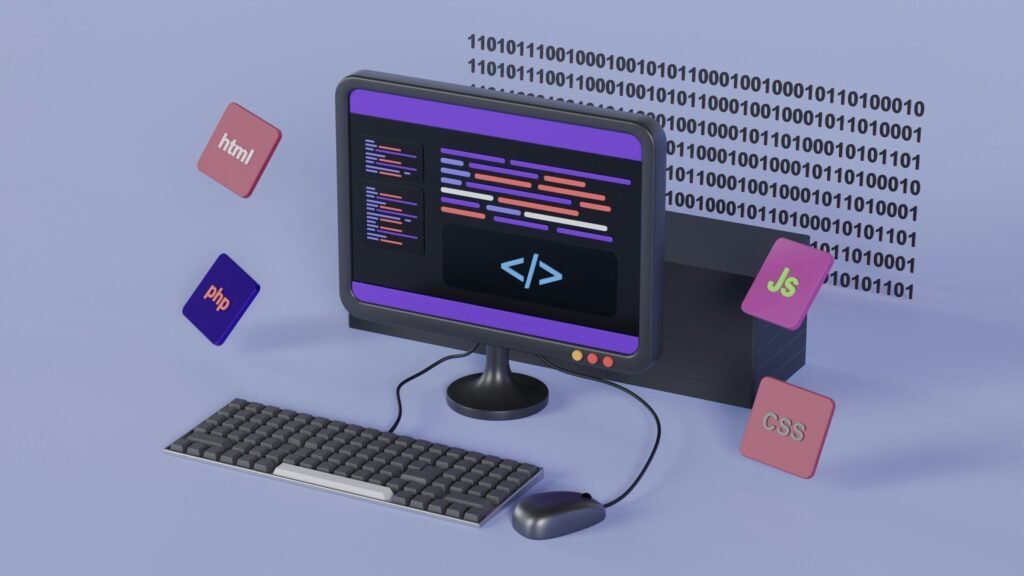
Understanding basic data concepts is essential for anyone working with AI. Data is the foundation that enables AI tools to function. Learning key concepts helps small business owners, students, and entrepreneurs make better decisions, improve operations, and understand how AI processes information. The Microsoft Learn Data Fundamentals module (https://learn.microsoft.com/training/paths/data-fundamentals) is a strong starting point for beginners.
Structured and Unstructured Data
Data comes in many forms, including structured and unstructured formats. Structured data is organized and easy to search, such as spreadsheets, customer profiles, or sales records. Unstructured data includes social media posts, emails, images, and audio files, which require more advanced analysis techniques. Understanding these distinctions helps you better manage the information you encounter daily.
The Difference Between Data and Information
Another important concept is the difference between data and information. Data consists of raw facts and numbers, while information is processed data that provides context and meaning. Turning data into meaningful insights helps you make smarter decisions in both business and academic settings.
How Data Is Collected
Data collection methods also shape how AI systems work. Surveys, analytics tools, and customer feedback help businesses and individuals gather useful information. AI can automate many of these processes, making them faster and more accurate. Tools like the Google Analytics Academy (https://analytics.google.com/analytics/academy) teach effective data collection techniques.
Ethical Considerations in Using Data
Ethical issues such as privacy, security, and transparency are critical when handling data. Responsible practices help build trust and support long-term success. By integrating ethical habits early on, users can ensure they work with AI tools in a safe and respectful way.
How to Make Data-Driven Decisions

Why Data-Driven Decision-Making Matters
Data-driven decision-making helps individuals and businesses make choices based on evidence rather than guesswork. This approach leads to better outcomes and more efficient results. In a world filled with information, strong analysis skills provide a clear advantage. The Harvard Business Review Analytics section (https://hbr.org/analytics) offers expert insights on this topic.
Identifying the Right Data Sources
The first step in making data-driven decisions is identifying useful data sources. Entrepreneurs might focus on customer feedback, sales patterns, or competitor research. Students may use academic resources and research tools. AI platforms make it easier to collect and manage this data.
Analyzing Data with AI Tools
Once data is collected, the next step is analysis. AI algorithms can reveal patterns, trends, and relationships that may not be easy to spot manually. Business owners can use these insights to improve products or marketing. Students can use them to boost academic performance. Learning basic AI analysis skills strengthens your overall data literacy.
Ethical Considerations in Decision-Making
Ethics also play a role in data-driven decision-making. Users must consider how their choices affect others and ensure that privacy and fairness are maintained. Following ethical standards builds trust and strengthens relationships with customers or project stakeholders.
Continuous Learning and Evaluation
Data-driven decision-making is not a one-time task. You must regularly monitor results, adjust strategies, and stay updated on new AI developments. Continuous learning ensures long-term success and helps you adapt to changes in the digital landscape.
Common Misconceptions about AI

AI vs. Human Intelligence
The debate around artificial intelligence and human intelligence continues to grow as technology evolves. At the core, human intelligence includes critical thinking, emotional understanding, and the ability to adapt. AI, on the other hand, excels in handling data analysis, automation, and fast processing. This difference raises important questions about how both can contribute to the modern economy. For a deeper look at how AI works, you can explore resources from the MIT Computer Science and Artificial Intelligence Laboratory.
Balancing AI Efficiency with Human Creativity
AI is built to manage analytical and repetitive tasks, such as predictive modeling or workflow automation. This can be especially useful for small business owners and entrepreneurs who want to streamline operations. Still, human creativity and emotional intelligence remain irreplaceable. Businesses benefit most when they combine AI tools with the strategic thinking only people can provide. Guides from Harvard Business Review offer helpful insights into blending AI with human decision-making.
Why Understanding AI Matters for the Future Workforce
Students and low-salaried individuals often worry that AI will replace jobs. In reality, AI is more likely to transform roles rather than eliminate them. Learning how to work alongside AI can open doors to new career paths, tech-driven side hustles, and specialized opportunities. To build these skills, platforms like Coursera offer accessible AI and machine learning courses.
Ethical Considerations in AI Adoption
Ethics plays a significant role in discussions about AI and human intelligence. As AI systems grow more advanced, it’s important to ensure they don’t reinforce bias or cause harm. Educators and students benefit from understanding AI ethics, which can shape how future generations innovate responsibly. The OECD AI Policy Observatory provides updated guidance on ethical AI practices.
AI and Human Intelligence as Collaborative Forces
The relationship between AI and human intelligence should be seen as collaborative rather than competitive. Small businesses, students, and entrepreneurs can leverage AI tools without sacrificing the value of human insight. Understanding AI fundamentals and ethical considerations can help individuals thrive in an increasingly automated world.
Myths About AI Job Displacement

The Truth Behind AI and Job Loss Fears
Artificial intelligence often gives rise to a range of myths, especially about job displacement. Some believe AI will replace human jobs entirely, but research shows AI is more likely to change how jobs function rather than remove them. Many tools help small businesses automate simple tasks, improving productivity and freeing time for creative work. You can read more about these trends through McKinsey’s Future of Work Insights.
Why AI Won’t Replace All Manual Jobs
A common misconception is that AI will take over all manual or repetitive work. While automation does handle routine tasks, it also creates roles that require human oversight, relationship building, and problem-solving. For example, AI-powered inventory tools can help small business owners manage stock while they focus on product development or customer interaction.
AI Accessibility for All Skill Levels
Another myth claims that only highly skilled workers will thrive in an AI-driven environment. The truth is that AI tools make advanced capabilities more accessible, giving students and side hustlers opportunities to compete in new markets. AI platforms can help analyze market trends, improve services, and build new digital income streams. Industry reports from IBM highlight how AI supports workers of all backgrounds.
AI’s Impact on Income Inequality
There is a concern that AI might widen income inequality by displacing low-wage workers. While this concern is understandable, AI can also offer new ways for low-salary individuals to learn skills, earn income, or launch small ventures. AI-powered education and microbusiness platforms allow people to upskill with minimal cost.
Why Debunking AI Myths Matters
Clearing up misconceptions about AI job displacement helps individuals and small businesses adopt a positive, informed outlook. Seeing AI as a helpful tool rather than a threat encourages innovation and growth across industries.
Understanding AI Limitations

Why AI Limitations Matter for Everyday Users
AI has transformed industries by improving productivity and reducing repetitive tasks. Still, it’s important to understand its limitations. Recognizing these limits helps small business owners, students, and entrepreneurs use AI responsibly and effectively.
The Challenge of Data Quality in AI Systems
AI’s performance depends heavily on data quality. Inaccurate or biased data leads to flawed predictions or decisions. This is a major consideration for small businesses with limited access to large datasets. The Stanford AI Index offers yearly reports that explain how data impacts AI development.
AI’s Struggle with Context and Human Nuance
While AI processes data quickly, it doesn’t understand context, emotions, or social cues the way humans do. Entrepreneurs and side hustlers may find that AI tools miss subtle customer preferences or the emotional tone needed in communication. This limitation highlights the continued need for human insight and empathy.
Why AI Can’t Replace Creativity
AI tools can generate ideas based on patterns, but they cannot truly innovate or think creatively. Students and low-salary individuals using AI for creative projects should remember that their ideas, voice, and personal touch are what make their work valuable.
Ethical Issues and Responsible AI Use
AI also comes with ethical considerations, such as privacy risks, bias, and transparency. Understanding these issues helps users make responsible decisions aligned with their values. Resources like The Alan Turing Institute provide guidance on responsible AI development.
AI in Education: Terminology and Concept

AI Tools for Learning
In today’s digital age, AI tools are becoming essential for learning and personal development. Small business owners, students, and aspiring entrepreneurs can use these tools to strengthen their skills and expand their knowledge. From personalized learning platforms to AI tutoring apps like Khan Academy’s AI features (https://www.khanacademy.org/) and adaptive tools such as Coursera’s machine learning courses (https://www.coursera.org/), there are plenty of accessible options. These platforms not only offer reliable resources but also adjust to each user’s pace, creating a tailored educational experience that supports individual learning growth.
Simplifying Complex Concepts With AI
One of the biggest advantages of AI in education is the way it simplifies complex topics. For beginners who may feel overwhelmed by artificial intelligence terminology, modern AI-driven platforms break these ideas into easier explanations. Sites like IBM’s AI Glossary (https://www.ibm.com/cloud/learn/glossary) help users understand foundational terms without technical stress. This approach makes learning more approachable for anyone, regardless of their tech background, and adds clarity to topics that once felt intimidating.
Identifying Learning Gaps Through Smart Feedback
AI tools can also identify learning gaps and areas that need improvement. By analyzing a user’s performance, these tools recommend resources, courses, or strategies that sharpen understanding. Platforms like Google’s AI for Education resources (https://edu.google.com/) support this idea by offering insight into how learners engage with material. This type of personalized guidance is valuable for students, small business owners, and side hustlers who want to improve productivity and focus on developing the most meaningful skills for their goals.
Understanding AI Ethics and Responsible Use
Ethics and responsibility play an important role when using AI for learning. Users should be aware of possible biases in AI algorithms and choose tools that promote fairness and inclusivity. Trusted organizations such as OECD AI Principles (https://oecd.ai/en/ai-principles) and UNESCO’s AI Ethics Guidelines (https://unesdoc.unesco.org/) offer frameworks that help learners understand the ethical considerations behind artificial intelligence. This helps ensure that the tools they use support positive growth and fair access to education.
Why AI Tools Matter for Learners of All Backgrounds
AI tools for learning offer meaningful opportunities for students, low-salary earners, small business owners, and anyone building new skills. With personalized pathways, adaptive pacing, and accessible online learning materials, individuals can work toward their goals without traditional barriers. As artificial intelligence continues to expand, those who use these tools will be better prepared for future challenges and career opportunities.
Personalized Learning Experiences

Personalized learning experiences are reshaping how people interact with educational content, especially in the field of artificial intelligence. Small business owners, students, and entrepreneurs can benefit from adaptive learning paths that make advanced concepts clear and practical. Platforms like edX AI courses (https://www.edx.org/learn/artificial-intelligence) support this by offering content that adjusts to each learner’s progress, helping them develop strong and relevant skills for today’s competitive world.
Adapting Education to Different Learning Styles
AI makes it possible to design learning experiences that support diverse learning styles. Visual learners may enjoy simulations and interactive demos, while auditory learners can follow podcasts or guided lessons. For individuals with limited time or resources, including side hustlers and low-salary workers, AI-powered tools provide targeted instruction that focuses on the knowledge they need most. This helps them build practical expertise with fewer barriers.
Making AI Concepts Accessible for Beginners
Personalized learning experiences also help simplify AI terminology for beginners. Many platforms break down advanced topics into smaller segments, making artificial intelligence easier to understand. This helps learners build confidence and progress from basic ideas to more advanced applications. It opens doors for people who once felt uncertain about technology, giving them a clearer path toward digital literacy and innovation.
Real-Time Progress Tracking and Feedback
AI systems can track progress and offer feedback that supports continuous improvement. As learners move through lessons, the system highlights strengths and suggests areas to revisit. This real-time evaluation provides a sense of direction and ownership over the learning journey. For entrepreneurs hoping to apply AI in their businesses, this type of feedback helps them grow at a pace that aligns with their goals and responsibilities.
The Value of Tailored Learning for All Users
Personalized learning powered by AI holds strong potential for students, job seekers, small business owners, and anyone working on a side venture. Tailored instruction can improve engagement, increase retention, and support skill development in ways that traditional education sometimes struggles to match. As AI evolves, these personalized experiences will help more people take advantage of educational opportunities that fit their needs.
Future of AI in Education

As we look ahead, the role of artificial intelligence in education will continue to grow. AI can personalize learning based on each student’s strengths, habits, and preferred learning styles. This enhances engagement and creates a more effective environment where students can progress at their own pace and receive instant feedback. Platforms like Duolingo Max (https://www.duolingo.com/) offer early examples of how AI can shape personalized learning paths.
Helping Educators Support Their Students
AI tools can assist educators by identifying areas where students may struggle and suggesting new ways to teach the material. By examining patterns in student behavior and performance, AI gives teachers insight into the most effective methods. This helps educators deliver meaningful support, ensuring that each student receives guidance tailored to their needs.
Expanding Access to Education Through AI
AI also makes education more accessible for people with limited financial resources. Entrepreneurs, side hustlers, and small business owners can use AI-powered learning platforms to gain skills without the cost of traditional training. Websites like FutureLearn (https://www.futurelearn.com/) and Udacity (https://www.udacity.com/) provide high-quality courses that make digital education more attainable. This reduces barriers and helps more individuals grow professionally, regardless of their background.
Ensuring Ethical and Fair Use of AI
As AI continues to transform education, ethical considerations must remain a priority. Artificial intelligence should be unbiased and fair to all learners. Educators, developers, and policymakers must work together to create guidelines that support responsible AI use. This ensures that technology enhances learning instead of limiting it.
Preparing for a Future Shaped by AI
The future of AI in education is about more than technology. It’s about fostering a culture of continuous learning and adaptability. Students, entrepreneurs, and professionals must be ready to evolve as the job market changes. By incorporating AI into learning frameworks, we prepare future generations to combine creativity with technology, encouraging innovation and lifelong learning.